Choosing a path
Making conscious choices about time and what to see.
 06
06Drawing Lines
Staring at a map full of pins. Which way do I go? What makes the cut this time, and what do I save for later?
Drawing Lines
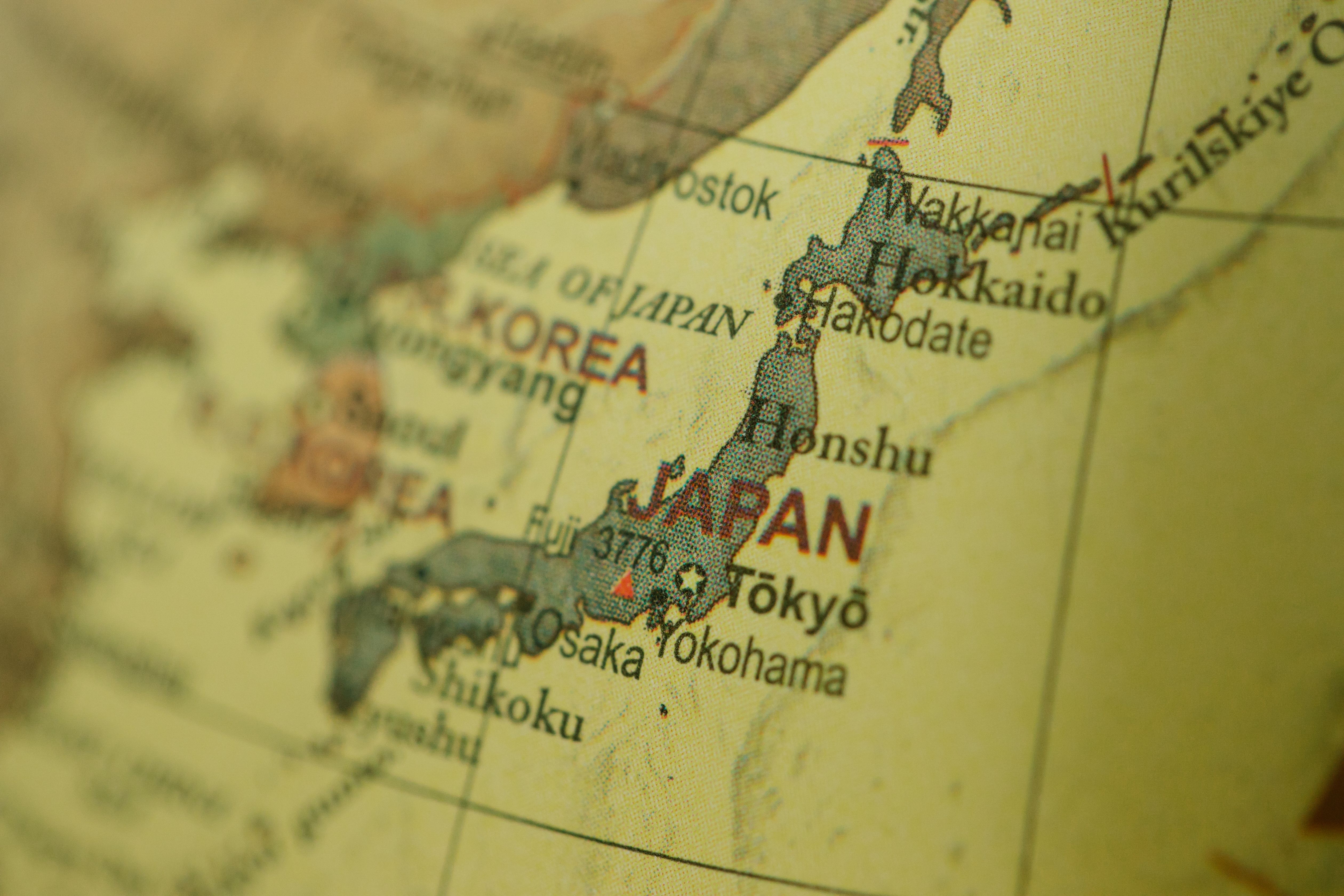
I have spent a substantial amount of time learning about Japan. Listening to endless hours of Isaac Meyer talk about the many nuances and influences that have shaped the History of Japan. Poring over maps that highlight old pilgrimage sites of significance to people in the past. Spending countless years obsessing over the minute details of Japanese architectural styles and their uses.
All of this looms large as I try to winnow down the places we should see during a visit that just seems too short.
Would any amount of time suffice to see it all?
Visiting the Ancient Beating Heart
Every friend, friend of a friend, and acquaintance seems to say the same thing when they come back from the Land of the Rising Sun. It’s a whirlwind. It’s stunning. It all blurs together.
I mean, it makes sense. Everyone seems to travel the Golden Route, as it has come to be called: Tokyo to Kyoto to Osaka. They add something along the way to and from each destination, with a shuttle over to Nara before taking a Shinkansen back to Tokyo. BAM! I have seen Japan. That’s it. What else is there?
“Japan deserves more. I deserve more.”
I feel like racing through the major cities at breakneck speed, with a few token visits to highly curated stops along the way, misses the point. So much of Japanese culture developed alongside a deep and abiding love and respect for nature. I want to see Tokyo, Kyoto, and Osaka, but I feel like I want to start closer to the beginning.
So we will make our way from Kansai International Airport to Wakayama City, then around the bottom of the Kii Peninsula to Ise. We will pay our respects to Amaterasu-sama, ancestral deity of Japan’s Imperial Family and one of the central kami of Shinto, before making our way to the ancient capital of Nara. From there, we’ll visit d.matcha, a tea plantation outside Uji, before finally arriving in the old imperial capital of Kyoto. We will finish in Osaka before heading back home.
Even now, thinking about this abbreviated itinerary, there is so much we won’t have time to cover!
I will have to come back.
Finding Yourself in the Moment
Having planned many trips with my husband over the last ten years, we have learned to embrace space. Building time and space for spontaneity into a trip allows us to be fully present in the moment.
The goal of any trip should have two parts:
See the attraction.
Leave room for discovery.
Freely roaming around and really looking at where you are allows you to connect with a place and its people more organically. We are often sold on an attraction that brings us to an area, but sometimes the magic isn’t the attraction itself. It’s the place where the attraction lives.
You can only truly experience that if you don’t overschedule yourself and instead leave space for magical moments.
Everything Is Fine
Somehow, we always manage to stack a tremendous amount of stress and anxiety into conceptual planning. We see all the attractions that are possible along a trip and start piling them into a cart. Then we realize we’re over budget or overscheduled.
Here comes the stress: What do you cut?
Then the anxiety: Will it still be good enough without doing the thing?
“You can’t see and do it all. This is a first date. Let’s see how it goes.”
I believe this is the key to truly connecting with a place: just be open to the experience.
It might not be the best trip ever—but was that because of the place, or because of your expectations?
Be realistic about the destination. This is a place where people work, go to school, raise families, shop for groceries, get stuck in traffic, and live their ordinary lives. Nothing more, nothing less.
Appreciate the small details.